
Leading in a Crisis
Since our world and our lives stopped being normal due to the coronavirus, my mind has regularly been going to a story about leadership from…

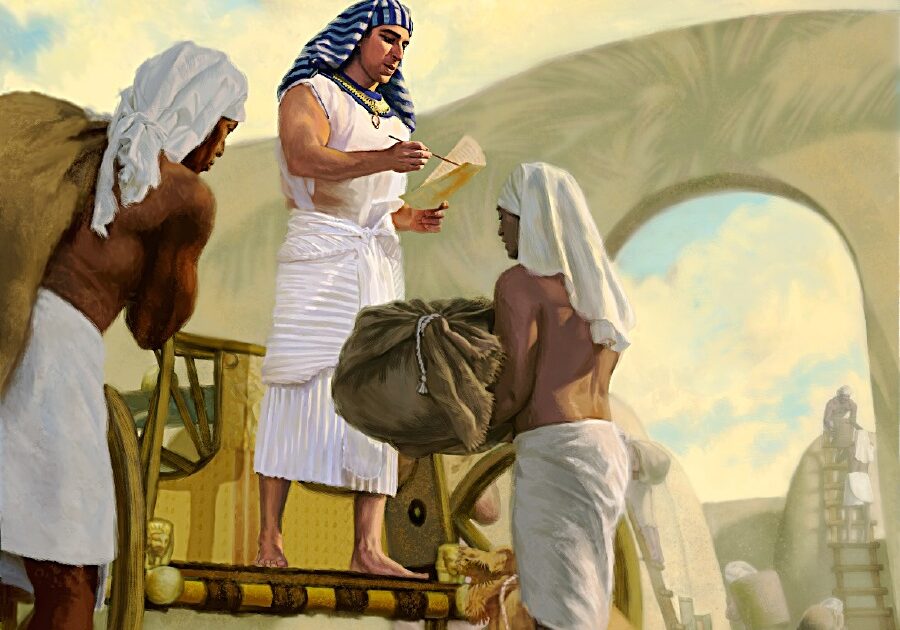
Since our world and our lives stopped being normal due to the coronavirus, my mind has regularly been going to a story about leadership from ancient times. For many, the name of “Joseph” from the bible brings images of a brightly colored “dream coat”. However, perhaps less known is how this same Joseph saved an entire nation from devastation during a global crisis.
As the story goes, Joseph was called by the Egyptian Pharaoh to interpret a troubling dream he had. Joseph’s interpretation was actually a prophecy: Globally, there will be seven years of abundance, followed by seven years of famine. Pharaoh responded by putting Joseph in charge of managing what was to come. As the story unfolds from there, we see some key lessons in Joseph’s leadership that might be of help to us today.
Confident Humility:
The story says that Joseph was 30 years old when he was unexpectedly brought before the world’s preeminent leader to interpret a dream. Joseph’s response was interesting. He said, “I can’t interpret your dream, but my God can.” With a chance to show how smart he was, he instead chose to show humility by revealing that he didn’t have all the answers. At the same time, he showed confidence. He knew where and how to find the answers. This combination of humility and confidence is remarkable given the circumstances.
The Lesson: In a crisis, be humble enough to listen, yet confident in what you know.
Assess and Reflect:
The story says that immediately after leaving Pharoah’s presence, Joseph traveled all throughout Egypt. The context of the story leads us to believe he was doing so to assess the situation. Up until this time, Joseph was in prison (you’ll have to read the entire story to get filled in as to why). Even though he knew what was coming (seven years of abundance), he spent time discovering, exploring, and gaining perspective on the current situation.
The Lesson: When in a crisis, take a moment to assess. Ask “Where are we now?”. Think and reflect before acting.
Respond (don’t React) with a Plan:
The story continues. Joseph developed and hatched a plan: During the 7 years of abundance, he gathered as much grain as possible, and stored it. The specifics of how this worked are not given, other than to say that Joseph collected all the food that was produced in those 7 years. I’m sure there were many who disagreed with this approach. But he stayed with the plan. The result? By the time the famine hit, they had more food available than could be measured. As the famine continued, Joseph made adjustments. The overall plan stayed intact, but as new information and circumstances came to light, the plan was revised, yet never abandoned.
The Lesson: In a crisis, plan. Stick to the plan. Revise the plan. Stick to the plan.
It’s About Them, Not You.
The story ends with the seven years of famine affecting the entire known world. As food became scarce, everyone came to Egypt. And what does Joseph do? He feeds EVERYONE, Egyptian and non-Egyptian alike. Joseph understood that surviving this crisis was not about his well being, or status, or comfort. He understood it was not just about his country. He had a genuine concern for everyone. So much so, that he updated his plan for the long term. He enabled the people to grow their own food in exchange for 20% of what they produced. In doing so, they would be much better off if something like this should happen again. The people’s response to Joseph was to say “You have saved our lives, may we find favor in your eyes.”
The Lesson: When leading through a crisis, focus on others and their needs first.
Not Sure Which You Need?
That's exactly what the first conversation is
Tell me what you're navigating. We'll figure out together whether you need a map, a mirror, or a bit of both — no pressure either way.
Keep Reading
More from the blog

Everyone Says Work on Your Business. Nobody Tells You How.
What does working on the business actually look like? What would you actually do? And just what might change in your company as a result?

Why Great Leaders Become Bottlenecks. And What to Do About It
“I’m the only one moving things forward.” I hear a version of this same sentence from leaders all the time. It usually surfaces after months of quiet frustration, right before they decide to fire a person or blow up a process. I always encourage them to pause and take a step back. Then I help…

The 7 Top Personal Issues for Leaders
Most leadership advice centers around business. Podcasts and books are filled with frameworks and strategies to run better meetings, build stronger org charts, and write better mission statements. Those are important challenges and a lot of the work I do is built around helping CEOs and teams wrestle through them. But the more I sit…